




DGOJ, Spain’s Directorate General for Gambling Regulation, continues to deploy new tools to enhance safer gambling for digital consumers.
This week saw the launch of ‘Stop Juego‘ (Stop Gambling), the DGOJ’s new app designed to block gambling across desktop and mobile devices.
The application enables Spanish consumers to voluntarily self-exclude from gambling activity through a simplified digital process, strengthening the DGOJ’s evolving framework for player protection.
Users who register via the app are automatically enrolled in Spain’s General Registry of Gambling Access Bans (RGIAJ), preventing them from accessing licensed online gambling platforms and physical gambling premises subject to identity controls, including casinos, bingo halls and arcades
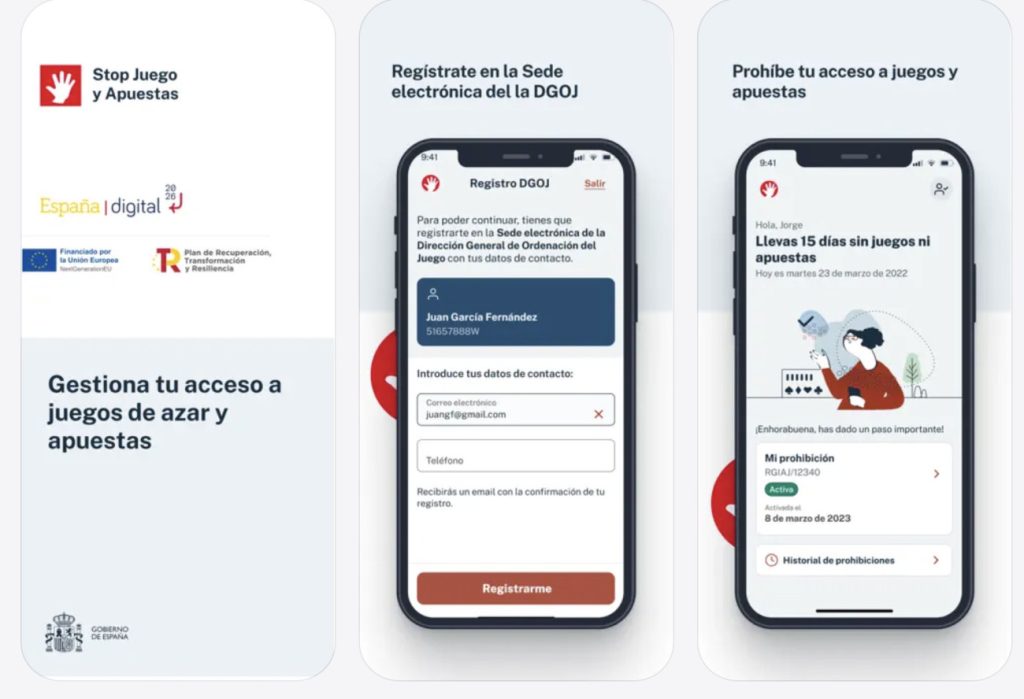
The Stop Juego app is available for download on iOS and Android devices, allowing individuals to complete the registration process directly from their mobile phone. Access is validated through Spain’s digital identification systems, ensuring that the exclusion request is immediately enforceable.
The regulator positioned the app as a ‘public-interest tool designed to reinforce responsible gambling safeguards’. By streamlining entry into the national self-exclusion register, the DGOJ aims to remove administrative barriers that may previously have deterred consumers from seeking preventative support.
The launch sees the DGOJ maintain its dual mandate of strengthening consumer protection while intensifying action against illegal gambling and market fraud.
In the coming weeks, Spanish gambling licensees will be ordered to promote Stop Juego to customers as a licensing condition, alongside new requirements on marketing campaigns that frame gambling as a health risk comparable to tobacco and alcohol addiction.
At the close of 2025, Spain’s Ministry of Consumer Affairs signed off on the DGOJ’s new regulatory roadmap, allowing the regulator to initiate further safer gambling directives and projects.
Following two years under revision, the DGOJ has begun live testing of its flagship ‘universal deposit limit’ system for Spanish gambling licences, set at €600 per day, €1,500 per week and €3,000 per month.
Licensees were also informed that the DGOJ has been authorised to develop an AI-engineered algorithm designed to detect and intervene in cases of problem gambling risk and behavioural harm.
However, operators have yet to be presented with detailed plans on how the algorithm has been designed or how it will integrate with existing monitoring systems, raising concerns about potential clashes with current proprietary safer gambling technologies.
The DGOJ believes the project could position Spain as the first European regulator to apply AI-driven customer interventions at a national supervisory level — marking a significant evolution in regulatory oversight of gambling harm.