




Mark Hothersall, Global Head of Business Development at SlotMatrix, breaks down the current state of play in slot gaming in 2026.
Hothersall discusses how bespoke and branded games with operators can help to foster stronger relationships and create more culturally relevant and engaging games, as well as how player loyalty can be created through franchise games.
He also chats about how Fantasma Games’ integration into the SlotMatrix unit has strengthened the company’s ability to produce top games at a scalable rate. Firstly, he addressed the proliferation of established slot titles dominating operator lobbies, with familiar games consistently appearing at the top.
Do you think this trend will continue, or are players increasingly looking for variety?
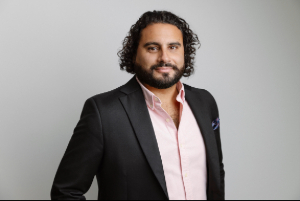
Mark Hothersall: Strong slot providers build successful intellectual property and then expand on it through sequels, new mechanics, and evolving player experiences. Familiarity is a powerful factor in player engagement. Players recognise a brand they trust, but they also want fresh gameplay elements and new features within that familiar universe.
Many of the industry’s most successful franchises have followed this model, creating multiple iterations that introduce different volatility profiles, bonus features, and gameplay mechanics while maintaining a recognisable identity. At Fantasma Games, Gold Pigger is a great example of this approach. It has become one of our strongest brands, allowing us to develop different experiences while retaining the familiarity that players enjoy.
The challenge is to continuously evolve these franchises and create mechanics and payout structures that appeal to different player segments while maintaining the strength of the original IP.
Does that mean player loyalty is a real factor in slot gaming?
Mark Hothersall: Absolutely. Player loyalty is a significant factor. As a player myself, there are certain providers and game types that I naturally return to because I’ve had positive experiences with them. While players are often interested in exploring new releases, most also have a selection of trusted favourites.
Operators have recognised this behaviour and increasingly make it easier for players to access their preferred games through favourites lists and personalised recommendations. This naturally creates loyalty and raises the challenge for new titles trying to break through.
High-value players often develop stronger loyalty to specific mechanics, volatility profiles, or game providers because of the experiences they’ve had. Meanwhile, casual and mid-value players tend to be more open to exploring new releases and experimenting with different games.
Another important factor is the growing influence of streamers. Popular content creators can generate significant excitement around new releases, introducing games to entirely new audiences and creating demand through community engagement and social proof.
The industry often sees successful mechanics being replicated across multiple providers. Do you see this as a challenge for innovation?
Mark Hothersall: There’s a well-known saying that imitation is the sincerest form of flattery. In a highly competitive industry, it’s inevitable that successful concepts will inspire others.
However, I don’t believe pure imitation is the right direction for the industry. We should be challenging each other to innovate rather than simply recreate what already exists. That doesn’t mean there isn’t value in taking inspiration from successful mechanics or themes. The key is to build upon them, introduce new ideas, and add meaningful improvements that enhance the player experience.
The healthiest path forward is one where studios continue to evolve concepts, develop unique mechanics, and push creative boundaries. Ultimately, this benefits both players and the industry as a whole.
Fantasma has successfully extended some of its flagship series into seasonal and event-driven releases. Do seasonal titles still have an important role to play?
Mark Hothersall: Seasonal titles certainly have their place. They allow players to connect with themes and events that are already relevant in their lives, whether that’s a festive holiday period, a major sporting event, or another significant occasion.
These games also work well alongside promotional campaigns, helping operators create engaging experiences around specific moments throughout the year. I expect seasonal titles will continue to play an important role in the market.
I see them as complementary to a studio’s core strategy. Long-term success comes from developing games with lasting appeal, strong engagement, compelling features, and enduring entertainment value. Seasonal games can create short-term excitement, but the foundation of any successful portfolio should always be games that players want to return throughout the year.
Fantasma has also found success with bespoke and branded games developed alongside operators. What advantages do you see in this approach?
Mark Hothersall: Bespoke games can be incredibly powerful because they allow operators to contribute directly to the game’s theme, design, and overall direction. We saw this with the success of Veikkaus Catsino Royale, where we customised our Catsino Royale slot game to fit Veikkaus’ needs and brand guidelines.
It’s clear that these games are often highly relevant to the operator’s player base and can achieve stronger engagement. There’s also a greater sense of ownership from the operator, which naturally leads to increased promotional support and visibility.
When done correctly, bespoke games create value for everyone involved. Operators receive a product tailored to their audience, players receive a more relevant experience, and studios gain valuable insight into what resonates with different markets.
Fantasma doesn’t release games at the same volume as some larger competitors. How do you ensure the studio remains competitive?
Mark Hothersall: Our focus has always been on quality over quantity. We believe that releasing fewer games with stronger concepts, higher production values, and better player experiences is a more sustainable long-term strategy.
At the same time, our roadmap for 2026 is the largest it has ever been. We saw that even when focusing on quality, we still need to be able to keep up with the high demand for new content; as the golden spots in casino lobbies sure fill up quickly! With 40 titles expected this year, it’s a bit of a sweet balance.
Fantasma has invested heavily in dedicated commercial, account management and marketing resources. How important has that been to the company’s growth?
Mark Hothersall: As Fantasma has grown, it became increasingly important to create a dedicated team focused entirely on supporting the brand and its partners.
From an account management perspective, this ensures our partners receive the attention, service, and strategic support they deserve. From a marketing perspective, it allows us to properly showcase Fantasma’s achievements while celebrating the success of our operator partners.
We’ve also increased our presence at industry events, game launches, and conferences, creating more opportunities to engage directly with partners and strengthen those relationships. Ultimately, the investment reflects our belief that strong products should be supported by equally strong commercial and marketing execution.
Finally, do you have a favourite Fantasma game?
Mark Hothersall: If I had to choose one, I’d probably say Gold Pigger 2: Royal Snout. It’s a great representation of what we aim to achieve as a studio. The game is packed with features, offers multiple layers of gameplay, and delivers a highly engaging player experience.
What I particularly enjoy is the depth of the mechanics. There’s always something happening, which keeps the gameplay entertaining while still feeling intuitive and accessible. For me, it captures the balance between innovation, entertainment, and feature-rich design that we strive for across the Fantasma portfolio.