


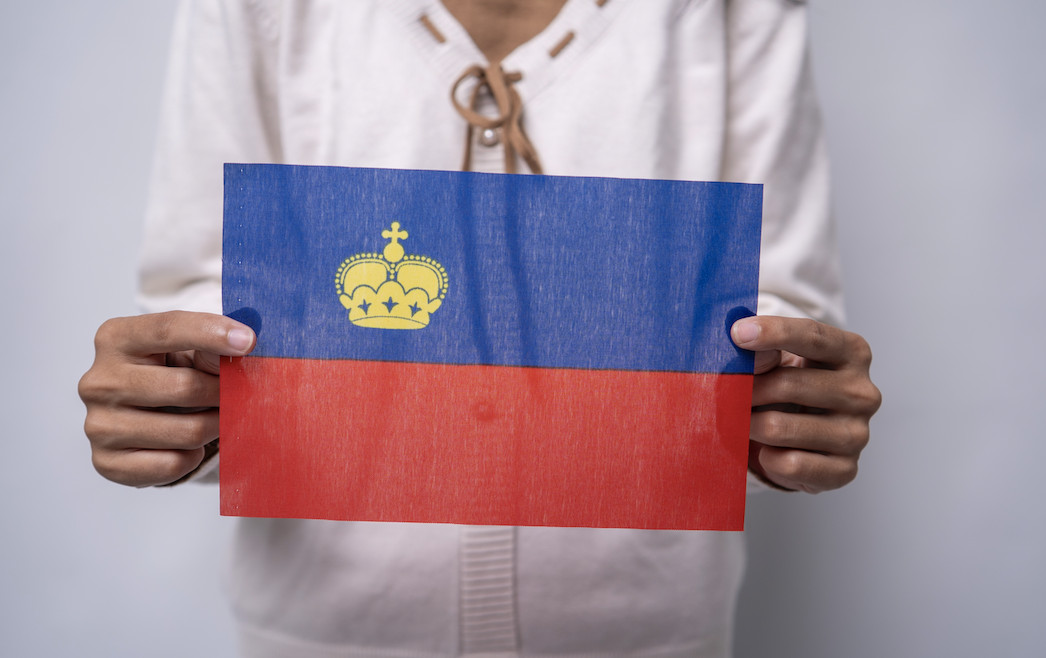
The government of Liechtenstein has been informed of the “steepest contraction” of income generated by casinos across the country.
A 2025 annual report of the country’s iGaming market showed that casino GGR declined 59% to CHF57.3m (€61.5m), down from CHF140.8m (€151.1m) in 2024 – wiping CHF83.5m (€89.6m) from industry revenue in a single year.
Liechtenstein’s gambling sector is regulated under the 2010 Gambling Act (Geldspielgesetz). Supervision is carried out by the Office of Economic Affairs, while anti-money laundering oversight remains with the Financial Market Authority.
Despite the downturn, Grand Casino Liechtenstein remained the country’s market leader, generating CHF22.9m (€24.6m) in GGR and retaining a 40% market share. However, revenues still declined by 62.4% year-on-year.
Casino Schaanwald, operated by Casinos Austria, proved the most resilient of the larger venues, posting GGR of CHF13.3m (€14.3m), a comparatively modest decline of 14.3%.
Elsewhere, the market contraction forced many operators into retreat. Casino Admiral Ruggell generated CHF11m (€11.8m) before closing on 30 September, with revenues falling 75.3%, while Casino Admiral Triesen reported GGR of CHF6.6m (€7.1m), down 41.8%.
The only operator to record growth was Alpin Royal Casino in Schaan, where revenue increased 43.3% to CHF3.2m (€3.4m), albeit from a much smaller economic base than other counterparts.
Of significance, direct casino tax receipts have fallen even more drastically by 63.% to CHF20.3m (€21.8m) from CHF52.8m (€56.7m), dealing a significant blow to the country’s public finances.
State of flux
The Liechtenstein market has undergone some substantial changes in the last 18 months. Following an agreement signed on 7 January 2025, an additional 10,000 Swiss casino self-exclusion orders were rolled out across Liechtenstein casinos.
The measure effectively removed a substantial portion of the country’s cross-border customer base, exposing the industry’s dependence on Swiss visitors.
Effects continue into 2026 as LV Casino Eschen closed in January after generating just CHF344,000 (€369,000) in revenue, while Plaza Casino, operated by BestWin, reported no gaming revenue during the year.
As of July 2026 , only four casinos remain in operation: Grand Casino Liechtenstein, Casino Schaanwald, Casino Admiral Triesen and Alpin Royal Casino.
The dire outcome marks a sharp reversal for a sector that had become one of Liechtenstein’s fastest-growing industries.
Between 2017 and 2025, the country’s casinos generated CHF771m (€827m) in gross gaming revenue and contributed CHF282m (€302m) in gaming levies to the state.
Rocky future
The density of casinos in Liechtenstein municipalities has become a politically sensitive issue. In 2023, the citizens action group IG Volksmeinung was granted the rights to hold a referendum which sought to ban land-based casinos and end Liechtenstein’s status as the “Las Vegas of the Alps”.
The proposal was rejected, with 73% opposition, which included a vote by Head of State Prince Hans Adam II in favour of casinos.
The Prince noted that a total ban on casinos was too drastic a measure, but that the Principality should hold greater accountability of citizens’ anxieties on the growing prevalence of casinos.
Markus Kaufmann, President of the Liechtenstein Casino Association, described the current market conditions as “unsustainable”, calling on Prime Minister Brigitte Haas to intervene with measures to support the sector’s economic viability.
Kaufmann argued that Liechtenstein’s casinos should be recognised as strategic contributors to the principality’s tourism and leisure economy, rather than being viewed solely through the lens of gambling regulation.
Looking ahead, the outlook for recovery is constrained by the government’s decision to maintain its suspension on issuing new online gambling licences until the end of 2028.