



Georgia is seeking international investment by opening up its gambling market to operators targeting foreign players.
Under proposed changes, the government will introduce a new licensing category for online gambling operators exclusively targeting international customers, with access blocked for Georgian citizens, according to reports by The Caspian Post.
Licences for casino, slots and betting will be available to prospective operators, with the licensing fee set at GEL 100,000 (£28,785) and a tax on gross gaming revenue of 5%.
A two-track mind
Georgia’s domestic gambling market is dominated by local brands that are subject to strict regulatory requirements, including a minimum gambling age of 25.
Unlike the relatively cheap point of entry proposed for foreign operators, online casino brands targeting players in Georgia are required to pay a licensing fee of GEL 5,000,000 (£1.44m) and pay a 20% tax on GGR.
According to Blask, the gambling sector contributed approximately $660m to the state in 2025, up 25% year-on-year.
However, the government is now seeking to raise the economic ceiling of the gambling industry as it enhances the potential of foreign investment.
The Georgian gambling sector has been in the midst of transformation under PM Irakli Kobakhidze, who took charge in 2025.
This included a comprehensive sweep of individuals excluded from participating in gambling activities, as part of a wider process to clean up the country’s gambling industry.
Off the back of the sweep, the Revenue Service announced that it had registered 1,577,247 individuals in the exclusion registry as of December 2025.
Estonia in on the action
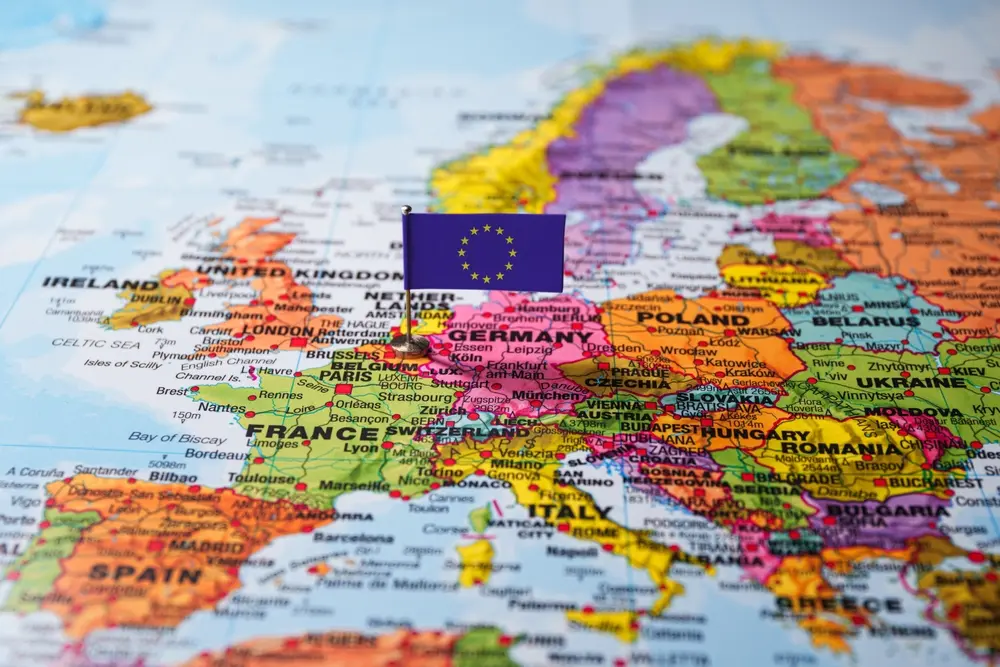
Georgia isn’t the only country seeking to rival the likes of Malta and Gibraltar as the go-to locations for iGaming operators in Europe.
Late last year, Estonia’s government approved a phased decrease in gambling tax from 6% to 4% across a four-year period with the hopes of attracting greater investment.
However, early signs suggest that the move has had little impact on tax receipts, according to local news outlet the Eesti Rahvusringhääling (ERR).
Politicians said that two new licences have been submitted, but they will take time to be processed, meaning that the impact will not be known for a significant period of time.
MP Tanel Tein, one of the main drivers of the changes, urged assessments to wait until the market can take shape and a clear picture of the changes can be established.