



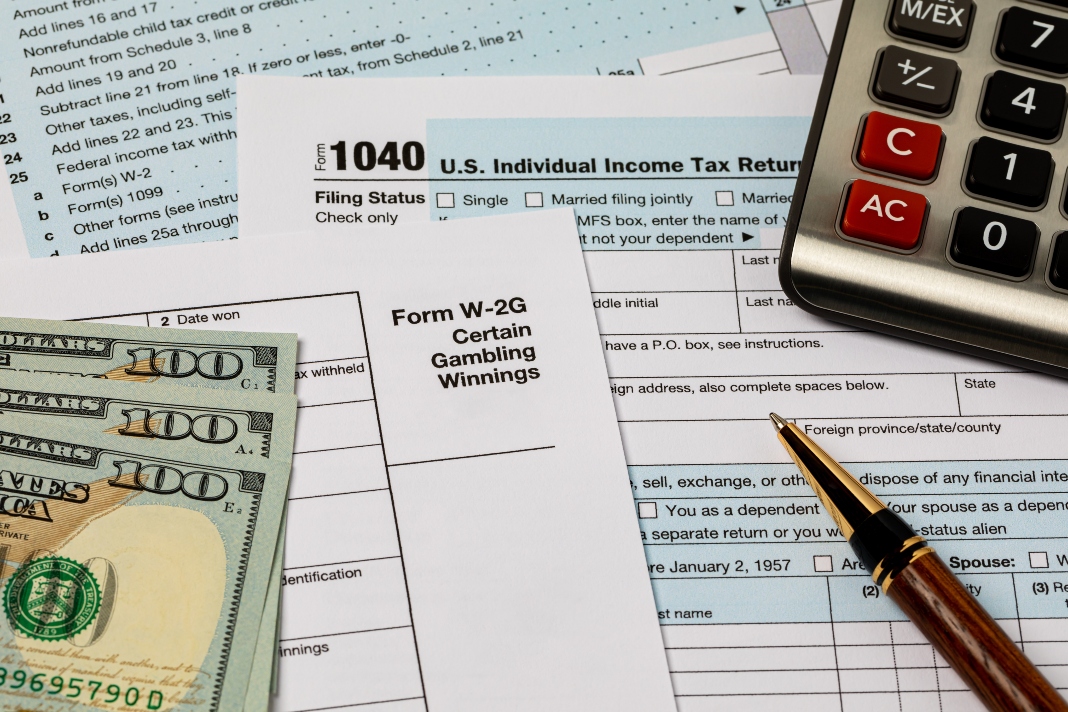
The IRS has confirmed that the new casino slots jackpot tax reporting threshold to issue a W2-G tax form will come into effect on 1 January 2026.
Land-based casinos were told in July that the minimum reporting threshold for a slots machine jackpot win would increase to $2,000 as part of the One Big Beautiful Bill Act’s implementation.
Previously, the figure to report a slots machine jackpot was in excess of $1,200. However, up until now, the IRS hadn’t confirmed exactly when the new reporting threshold would be changed.
Within the ‘What’s New’ section of its guidance for filing W-2G forms, published on 8 December, the IRS stated: “For calendar years after 2025, the minimum threshold amount for reporting certain payments and backup withholding on certain information returns, including the Form W-2G, will be adjusted yearly for inflation.
“The minimum threshold amount for payments made in calendar year 2026 is $2,000.”
Casinos must issue a W2-G tax form to players whenever they hit the threshold win on a slots machine, with the machine in question being shut down, usually for around 45 minutes.
This is the first time the slots jackpot tax threshold has been changed since it was implemented back in 1977.
Back in July, the American Gaming Association (AGA) stated it was pleased to see the threshold being raised, something they had pleaded for over the past few years.
The organisation has previously pushed for the threshold to be raised as high as $5,000 for miscellaneous gambling such as horse racing, keno and slots.
Chris Cylke, SVP of Government Relations at the AGA, stated: “Raising the slot tax reporting threshold to $2,000 and indexing it to inflation is a long-overdue modernisation that reduces regulatory burdens and improves the customer experience.”
The next step will be for state authorities to update their regulations to reflect the new threshold figure. However, this process could slow down its implementation within casinos.