




The Advertising Standards Agency (ASA) has dismissed a complaint made about a Buzz Bingo advertisement.
The complaint was related to advert which was posted on the Buzz Bingo Grimsby Facebook page and featured a cartoon figure of a woman in a box labelled ‘Demi, action figure’, mirroring a popular social media trend.
Two complainants contended that the ad included imagery which was likely to be of strong appeal to those under 18 years of age and therefore breached the ASA’s CAP Code.
Buzz Bingo argued that the image, which can be seen below, was not of strong appeal to under-18s as the individual featured in the ad was the General Manager of Buzz Bingo’s Grimsby venue, and not a celebrity or influencer.
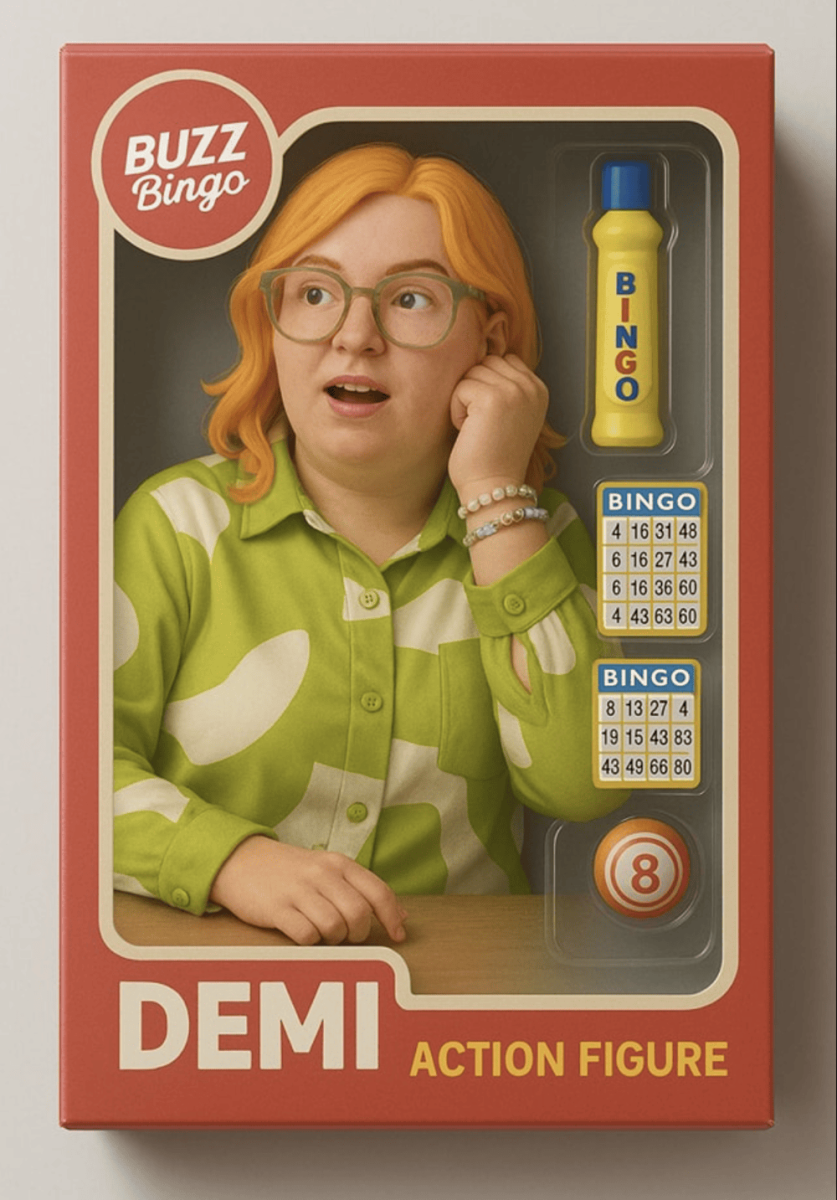
In addition, the figure is wearing plain clothing and the items accompanying her, bingo cards and a bingo dauber, are not typically of appeal to children.
Buzz Bingo also highlighted that the post was only present on the Buzz Bingo Grimsby Facebook Page, which utilises Facebook’s platform controls to restrict access to users who have self-verified as 18 and over, and is only visible to users who are already following the Buzz Bingo Grimsby Facebook page.
Following its investigation, the ASA concluded that the ad was not likely to be of strong appeal to those under 18 years of age and considered that the action figure was “unlikely to be viewed by children as an appealing toy to play with”.
The ruling stated: “The figure in the ad was labelled ‘[NAME] ACTION FIGURE’, and we considered that action figures or dolls were likely to appeal to some under-18s. However, we considered that despite the image being computer-generated, the overall style of the ad was realistic rather than cartoon-like.
“The figure depicted was an adult who did not have exaggerated features, was wearing a simple shirt, and was not a recognisable or well-known character. The colours were muted rather than bright and were not reminiscent of dolls or action figures that were typically marketed towards children.”
In recent months, the ASA has demanded that Ladbrokes and PokerStars pull advertisements for breaches of the BCAP and CAP Code.
The ASA upheld complaints that Ladbrokes’ ‘Ladbucks’ free-to-play currency could be of strong appeal to minors due to its similarities to the in-game currencies of ‘V-bucks’ from Fortnite and ‘Robux’ from Roblox, two games popular with under-18s.
Meanwhile, a PokerStars Instagram advert featuring football influencers Rory Jennings and Adam McKola was deemed to display irresponsible and potentially harmful gambling messages to consumers.
The video documented McKola winning several large amounts, including £185 from a single spin, eventually reaching a total of £662.50. Jennings, despite losing the challenge, still made a profit of £240 and attributed his success to his “skill at slots”.
ASA detailed that it received complaints about the ad’s portrayal of effortless and repeated wins, arguing that it could encourage problem gambling behaviours and lead to financial harm.
Ambitious modernisation plans
Earlier this week, Buzz Bingo announced that it will upgrade its properties and venues as it sets its sights on a new £25m modernisation programme beginning this month.
The bingo hall operator has secured funding from Barclays to begin a multi-year investment programme aimed at upgrading its 91 venues across Britain. Upgrades will begin at eight clubs in 2025, including the Buzz Bingo halls in Sheffield Parkway, Leeds, and Stockport.
As part of the programme, 10,000 electronic bingo terminals, self-serve bingo kiosks, and digital registration terminals will be introduced in every club.
In addition, over 1,300 new slot machines and fully integrated digital membership cards are also being rolled out.