




Following historic local council election results in the UK, the governing Labour Party and Prime Minister Keir Starmer have been thrown into turmoil.
At the time of writing this, Starmer beleagueredly stumbles on with the keys to number 10, making speeches and planning new policy as if all is well. But Tuesday morning reports suggest that Downing Street drama is once again set to twist against him, and members of his cabinet are to add to his misery by backing his departure.
Since his election in 2024, Starmer’s momentum has evaporated faster than that of Tottenham after winning the Europa League. But what has kept him in the job is the lack of any real standout leadership candidates who could realistically come forward and replace him.
Now, the crisis seems to have worsened to a point where the Labour Party is simply going to have to choose the best of a bad bunch and elect a new leader.
At the same time, UK gambling continues in a position of regulatory transition – adjusting to a new landscape when it comes to affordability and taxation. What would the list of new candidates mean for the sector?
Whilst the industry won’t be top of the focus for any new leader, a change in number 10 could have long-term consequences for the UK gambling market.
There is a level of vagueness around many of the policies for the new leadership candidates, but we analyse what they could mean for the future of UK gambling, and whether they have provided any indication of what type of stance they would take on gambling.
Wes Streeting
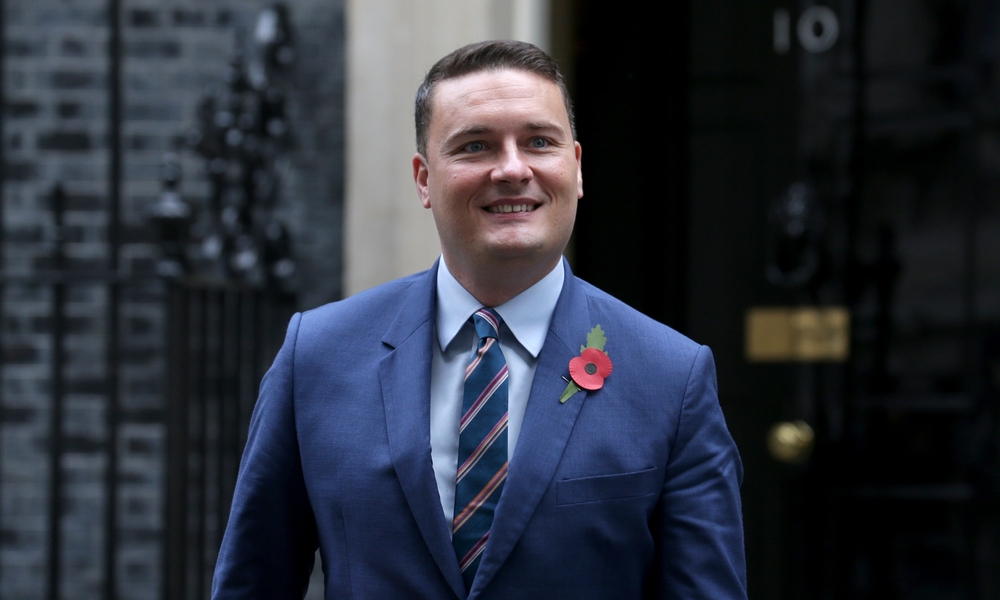
In the eyes of many, the current Health Secretary is the most likely replacement for Starmer, having previously not been subdued about his leadership ambitions.
As Health Secretary, Streeting has underpinned that gambling should be viewed ‘as a significant risk’, particularly as he has placed a focus on men’s mental health issues.
Streeting has lobbied for gambling to be framed in a similar way to junk food, tobacco and alcohol, and this framing has seen a myriad of harm-prevention rollouts, including the significant expansion of NHS harm prevention treatment services.
Whilst not officially seeing regulation of the industry in his role as health secretary, at the end of last year, Streeting elevated the momentum towards gambling reform by shifting the approach and status of gambling.
Streeting underpinned the need for an enhanced focus on how problem gambling impacts the UK’s male population, with an ongoing understanding of policy treating gambling harms and consequences as a public health issue.
Entering number 10 from the position of Health Secretary, Streeting would likely embolden the NHS during the transition to the RET Levy, accelerating the framing of gambling as a public health issue.
iGaming Expert take: There is not much known about Streeting’s stance on gambling taxation, whether any of his perspectives align with the industry, or whether he would continue to disregard the dangers of the black market and pursue a tougher climate for the regulated sector. However, as one of the more centre-left candidates and someone who has framed gambling as a health issue in his previous role, his candidacy should be of concern for the industry.
Angela Rayner
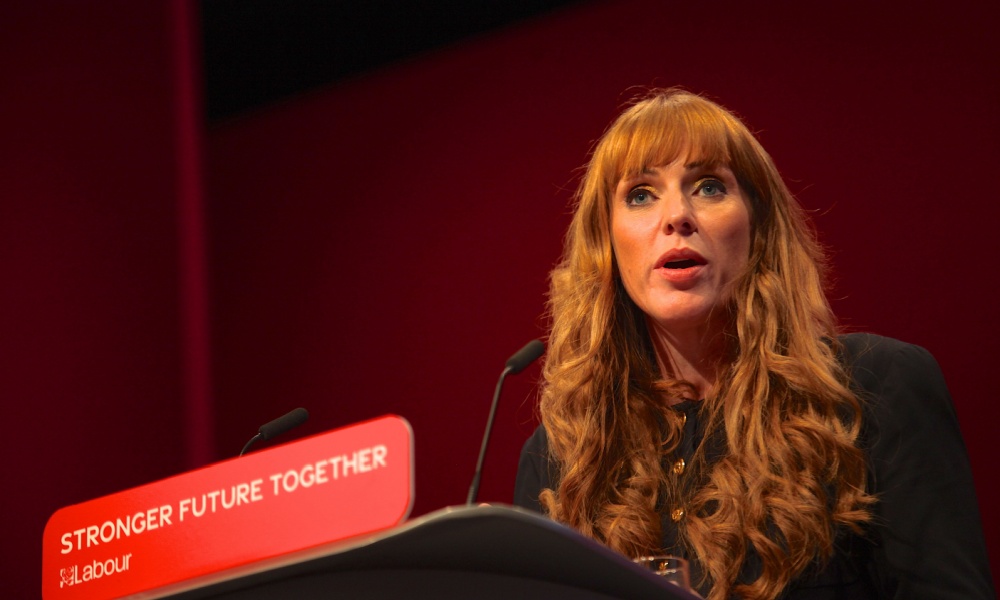
Angela Rayner was one of Starmer’s greatest supporters during his successful general election campaign and entered parliament as deputy prime minister. However, a tax controversy related to underpaid stamp duty on a flat she purchased forced her to stand down from her role in September 2025. The lack of closure on this case may well hinder any leadership bid for Rayner.
Supporters of the Ashton-under-Lyne MP have said that she is not fully set on stepping forward as a potential candidate, but she did, on Sunday, publish a statement on X calling for Labour to return to ruling for the working class.
Rayner has said very little about the gambling industry specifically during her time in power. However, she was a key member of Labour when the party drafted its manifesto promising a commitment to ‘reducing gambling-related harm’ and ‘reform gambling regulation’.
The latter is something that was already in motion following the publication of the 2023 Gambling White Paper.
Given that Rayner’s constituency is the almost perfect example of an area that many local councils say are being targeted by the retail sector, it is a little surprising that she has not joined in with calls for greater control over the placement of retail venues.
A lack of clear opinion of the sector suggests that she would lean towards carrying on with the implementation of the final reforms set out by the White Paper, something that this current iteration of the Labour government is endeavouring to do.
iGaming Expert take: The timing is wrong for a Rayner premiership, given the lack of conclusion over her tax scandal that led to her previous departure. Although fairly ambiguous on gambling policy thus far in her political career, a candidate so far to the political left would cause trepidation for the industry at such turbulent economic times.
Ed Miliband
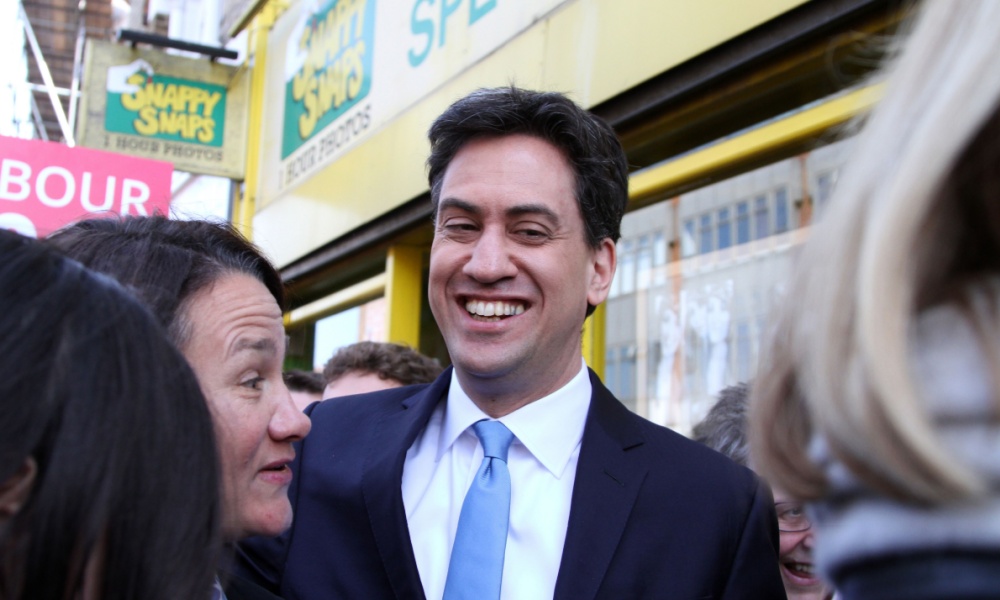
Ed Miliband may be viewed by many as a considerable outsider for the top job, given his defeat to David Cameron in the 2015 election.
However, he has been a Labour stalwart for over 20 years and brings considerable experience both in opposition and in the ruling government, currently serving as the Secretary of State for Energy Security and Net Zero.
Miliband’s main stance on gambling dates back to before his leadership run in 2015, and focused on the presence of fixed-odds betting terminals (FOBTs) in betting shops.
At the time, he said that some of the most deprived communities in the UK were being targeted by placing FOBTs in betting shops, and pledged to give councils more power to control the number of betting shops opening.
“The time has come to give local communities the right to pull the plug on these machines – the right to decide if they want their high streets to be the place for high stakes, high speed, high cost gambling,” he said in 2014.
Over 10 years down the line, the volume of betting shops and slot machine venues continues to be an issue debated by MPs, as figures such as Dawn Butler have led calls for a change in laws to give more power to local councils.
Although Miliband said little else about the gambling industry in the intervening years, there is no indication that his views on the subject have changed.
New Labour policies such as the Pride in Place programme seek to give local government more power over decisions in a bid to revitalise the high street, including decision-making on ‘Cumulative Impact Assessments in gambling licensing’, influencing gambling outlets’ location and density in local communities.
If Miliband is to launch an audacious bid for control, this direction of travel is likely to continue under his leadership.
iGaming Expert take: The high street was shielded from the taxation rises during the budget of the Starmer government; however, Miliband previously ignored warnings from the industry over the threats to high street betting. There would likely be fears around an unlikely Miliband appointment that he would further inflict pain on the high street sector and tame any current appetite there is for investment in the sector.
Shabana Mahmood
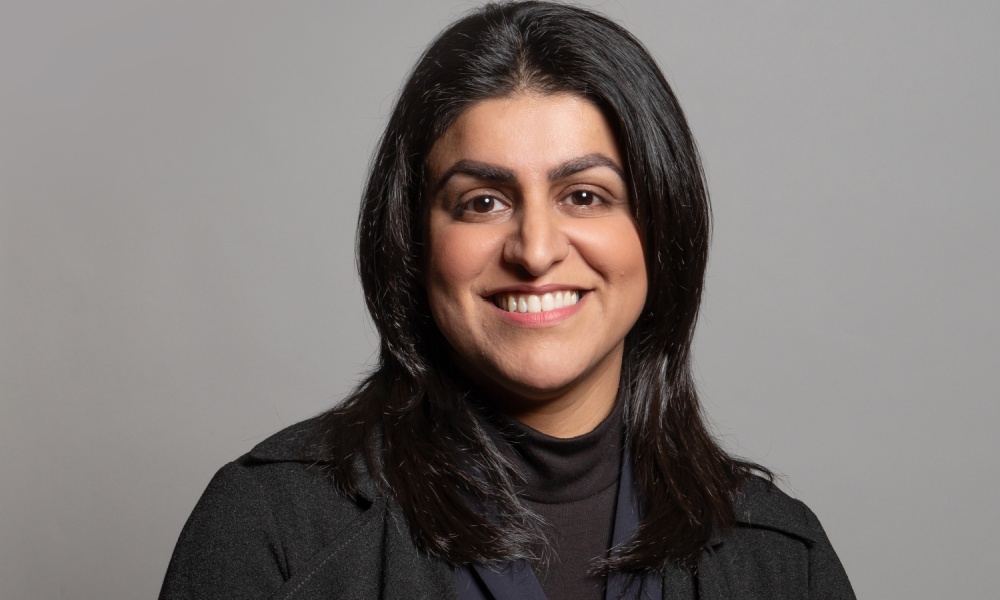
Though Shabana Mahmood is yet to officially throw her hat in the ring for a leadership challenge, the Home Secretary has called for Starmer to set out a timetable for his resignation from office.
Mahmood has developed a reputation for her tough stance on immigration, having already set out proposals to reduce refugee leave to remain from five years to 30 months and increase the path to indefinite leave to remain from five years to 20 years during her tenure as Home Secretary.
The MP for Birmingham Ladywood has said almost nothing about the gambling industry during her time in parliament. However, she was involved in government during the decision of the Treasury to raise taxes on the online gambling sector.
On the other hand, Mahmood’s rhetoric as Home Secretary places her firmly on the right of the Labour Party, and the political right has been historically more supportive when it comes to the gambling industry.
There may be a small glimmer of hope that Mahmood will take a more hands-off approach to the gambling industry than some of the other candidates.
iGaming Expert take: Mahmood is the joker of the pack in terms of Labour’s leadership candidates. As already mentioned, she sits firmly on the right of the Labour Party compared to the other major players, which may provide some hope from the gambling sector that she may emerge as an unlikely advocate for the industry compared to the others.
Andy Burnham
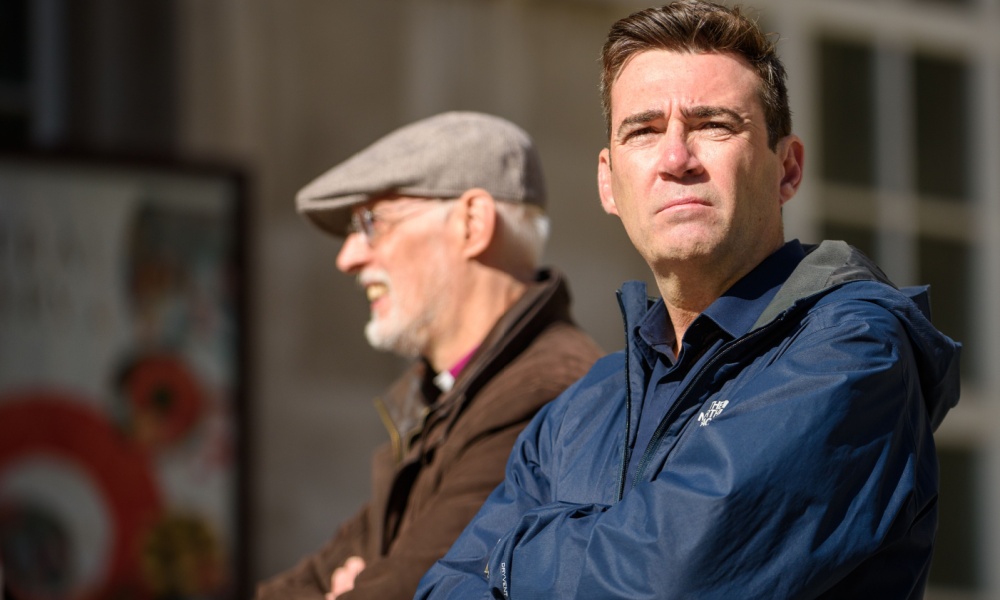
Andy Burnham is the name that fails to go away when it comes to who will be the next Prime Minister.
Despite not being a sitting MP at the time of writing, the Mayor of Greater Manchester has long been touted as a potential heir to Number 10.
At the beginning of the year, he confirmed his desire to challenge for the Labour leadership if Starmer stepped down. However, Labour’s national executive remained loyal to the current prime minister and blocked Burnham from running in the Gorton and Denton by-election.
In his role as Mayor, Burnham has also added his name to the rising tide of sentiment demanding greater control for local councils over the placement of betting shops and slot machine venues on the UK high street.
He signed a letter penned in April by Muhammed Butt, Leader of Brent Council, to Culture Secretary Lisa Nandy, that said local communities are being overwhelmed by ‘24-hour slot shops’.
Advocates for change have demanded a shift away from Aim-to-Permit laws set out in the 2005 Gambling Act, which provide an easier path for the success of gambling venue planning applications.
The Greater Manchester Combined Authority (GMCA) also launched a campaign ahead of the 2022 FIFA World Cup called ‘Odds Are: They Win’, which sought to inform people of the ‘harmful practices’ deployed by the gambling industry.
At the time of the initiative’s announcement, Burnham said: “As an industry, the main aim of gambling operators is to maximise profits. These profits are the result of customer losses which, particularly during this cost of living crisis, risk having a seriously detrimental impact on people’s lives.”
Taking these sentiments into account, any leadership tenure involving Burnham is likely to continue Labour’s current shift towards viewing gambling as a public health issue.
Given the dim view of the gambling industry by many swathes of the general population, any perceived pandering to the industry through moving away from the current tides of reform will be taken in a negative light and risks further harming Labour’s already poor reputation.
iGaming Expert take: While blocked previously, there appears to be an increasing appetite for Burnham to lodge an attempt for Labour leadership. Given his extensive experience in local government, there is every indication that he will be tough on the gambling sector and lean towards the greater regulation that he has advocated for previously, which will act as a major concern for the already struggling retail sector.
Could Starmer stumble on?
Whilst Burnham remains on the sidelines of UK politics, Starmer continues to dig his heels in and fight for his fragile premiership. Whilst he is hardly favourable for the gambling industry, as a period of M&A in the UK market continues and adjustments to the tax rises take hold, a level of stability will be welcomed.
Additional reporting from Joe Streeter