





Carving out a niche within such a clustered environment, especially one that features an abundance of competitors attempting to achieve that exact same feat, could arguably be labelled as mission impossible.
However, Onlyplay is confident that it has cracked the case. From the inaugural addition to its tap games portfolio a number of years ago, to themed, multiplayer and many more examples that have followed, players have remained transfixed.
In conversation with iGaming Expert, Head of Partnerships, Anna Serheieva, explains the process of carving out and progressing with fresh opportunities, why the studio believes the concept has taken off and just what lies ahead for tap games and the industry in general.
iGaming Expert: To begin, could you offer a little detail on what gaps within the industry were witnessed by Onlyplay that gave rise to the birth of Tap Games?
Anna Serheieva: When we looked at the iGaming landscape, we noticed a clear gap between traditional slot mechanics and what modern players actually wanted. Most casino games were either too passive, too slow, or overloaded with complex features. Today’s audience expects something more interactive, immediate, and rewarding – and that’s how tap games were born.
The concept first came to life through Piggy Tap, our flagship multiplayer tap game where players smash the piggy bank together and share the prize pool. It quickly proved that active tapping could generate far more engagement and retention than traditional spins.
Building on that success, we introduced Fortune Chef Panda – a vibrant sushi-themed experience where players tap to slice ingredients with the precision of a master chef and Football Tap, which brings the spirit of competition to the field, letting players tap to strike, score, and compete in dynamic football-themed rounds.
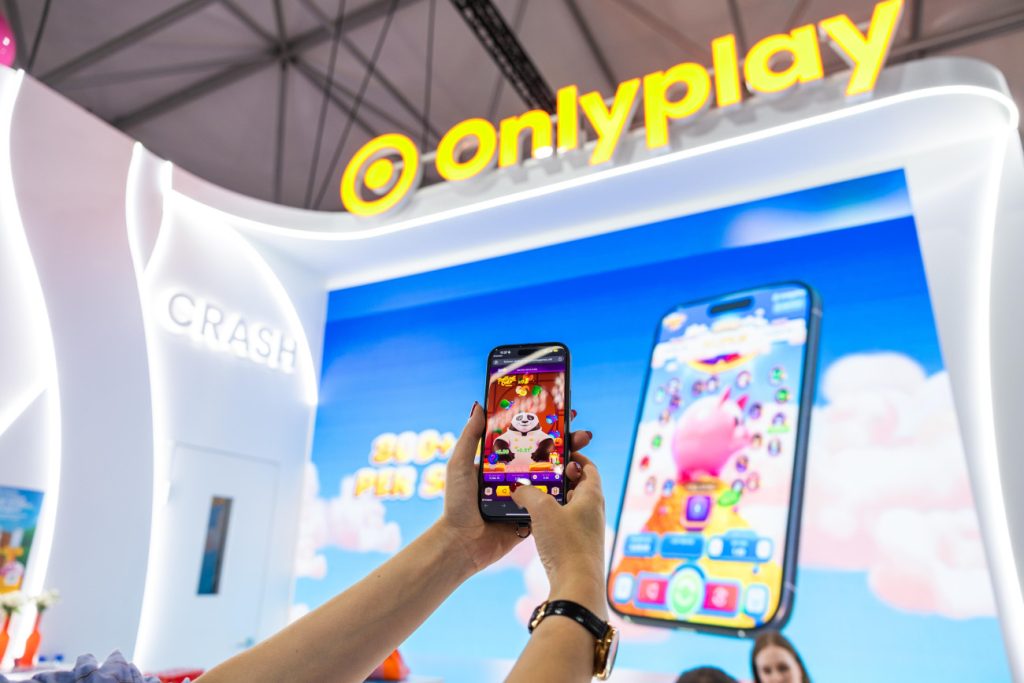
These titles perfectly demonstrate what tap games stand for – fast sessions, clear mechanics, and emotional involvement. They bridge the world of casual mobile gaming and real-money entertainment, giving players a sense of control where every tap matters and every second feels alive.
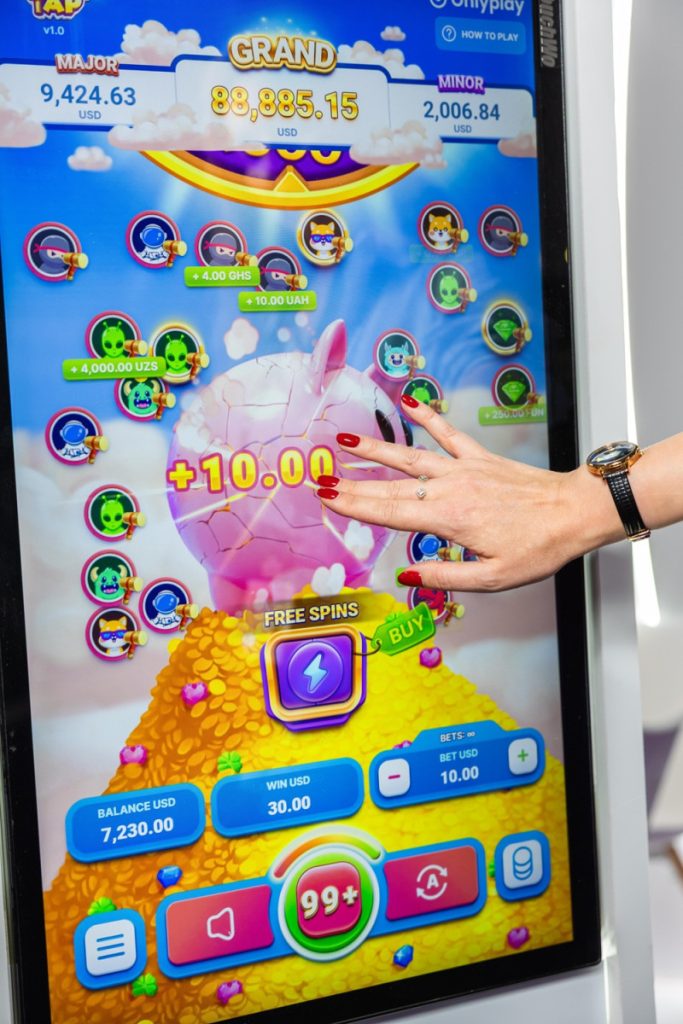
iGX: Why do you believe this concept has resonated so strongly with the industry and players alike?
AS: Because it’s simple, fast, and genuinely engaging. Tap Games are easy to understand yet highly immersive. Operators appreciate how quickly players connect with them and how naturally these games retain engagement.
Players love being part of the action – they’re not just spinning reels but directly influencing what happens on screen. This shift from watching to participating has completely changed the experience and explains why the format resonated so widely.
iGX: What does your research tell you are the primary demands from online casino players today?
AS: Modern players want speed, clarity, and transparency. They expect games that load instantly and deliver clear feedback without unnecessary complexity.
They also seek a feeling of skill and participation – something that keeps them active rather than passive. With mobile now dominating nearly every market, accessibility and performance are key factors. That’s why all our Tap Games are lightweight, mobile-first, and optimised even for regions with limited internet speed.
iGX: What’s next for Onlyplay when it comes to the Tap Games portfolio? What does the road ahead comprise?
AS: We’re continuously expanding the Tap Games lineup with new ideas that merge interactivity, excitement, and simplicity. The next step is evolution – new mechanics, fresh social elements, and stronger localisation for different markets.
Our goal is to make every title feel unique while keeping that signature fast-paced and dynamic gameplay. Over time, we want Tap Games to stand as a category of its own – something players instantly recognise as an Onlyplay innovation.
iGX: Looking ahead to 2026, what do you believe will be the major themes that shape the direction of the iGaming industry?
AS: The future will revolve around interactivity and accessibility. Games will become lighter, faster, and more transparent, offering experiences that feel personal and easy to jump into. Social connection will also play a bigger role – players want to compete, share progress, and feel part of a wider community.
At the same time, emerging markets in LatAm, Africa, and Asia will keep driving growth, so mobile optimisation and cultural adaptation will be crucial. The iGaming industry is moving toward products that are faster, fairer, and more human-focused.