
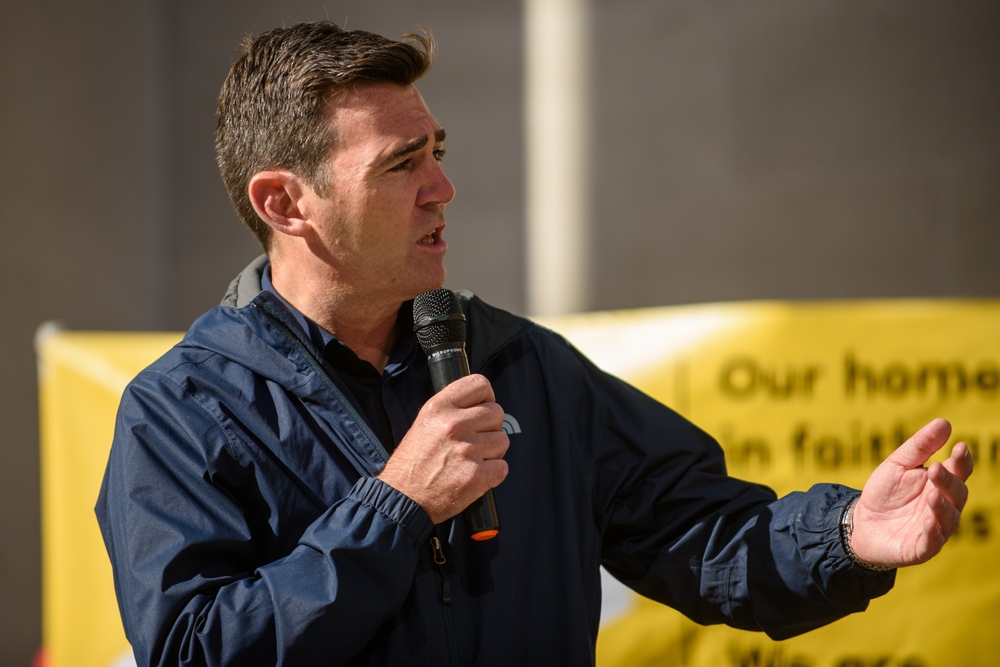
The UK gambling industry is no stranger to pressure from the Social Market Foundation (SMF), but the latest batch couldn’t have come at a worse time as Andy Burnham enters Number 10 or even brings Number 10 to Manchester.
With his initial speech laying out how he aims to devolve powers away from Westminster and implement a Number 10 in the North, the former Manchester Mayor is seemingly not going to shy away from the radical.
The industry should be well aware of the impact that lobbying from SMF can have on UK policy, as operators are beginning to feel the impact of last Autumn’s budget, which included landmark tax hikes on the sector.
Although the briefcase of Rachel Reeves delivered what many believed to be disastrous news for the industry last year, the retail sector was largely shielded from tax hikes, in an apparent effort to avoid shop closures and job losses.
However, with a new incumbent in Westminster, whose appetite for taxing the gambling sector to fund policy broadly aligns with the SMF, fresh lobbying for a tougher climate for UK retail should be of major concern for the industry.
Placing Fixed Odds Betting Terminals (FOBTs) back under the political spotlight is something of a throwback to 2019, but that is what the SMF is seeking to do.
In 2019, the maximum stakes on FOBTS were dropped from £100 to £2, ushering in a major transformational period for the retail betting sector. The policy, alongside a generally tougher economic climate, has caused the gradual decline of high street gambling venues since its formation.
New polling released by the group has detailed cross-party public support for increasing Machine Games Duty from 20% to 40%, a move that would turn the screws on a retail sector that is already embattled as a result of a tough tax climate.
The SMF proposal targets Category B slot machines – the higher-stakes machines found in betting shops, arcades and bingo halls – distinct from the lower-stakes machines found in pubs.
SMF modelling has stated that problem gambling associated with all types of slot machine use has a total economic cost of £2.33 billion a year, using data from the Gambling Commission and Office for Health Improvement & Disparities (OHID).
The group has stated that it has applied the same logic applied to raising the taxation rates for the online sector to the retail sector.
Taxation rates implemented on the online sector have thrown the market into transformation and even jeopardy for many operators. Navigation of this new era has been tough and led to significant consolidation.
However, while many in the online space have the versatility and resilience to navigate such headwinds, it is unlikely that this would be replicated in a retail sector already fighting to stay afloat.
But Burnham’s coronation as Prime Minister means the industry should be vigilant of any looming opportunities to make the climate for regulated gambling tougher, especially if it is through tax hikes backed by the SMF.
Burnham is not a new adversary for the retail gambling sector. Just last year he was a key voice in the pressure faced on the UK government to tighten regulations on the exposure of betting estates and gambling venues as British high streets now host over 200,000 B3 gaming machines.
He joined 38 councils in writing to the government urging for an increase in powers to halt the opening of gambling venues in the high street.
Given the recency of this support, as well as his vocal desire to hand over more power to regional authorities, it’s highly likely that Burnham will seek to address these demands and cede greater control to local councils over the placement of new gambling venues on high streets across the UK.
It looks likely that Burnham will move fast in implementing his policies and economic philosophy into the UK. Therefore, the industry must be on the front foot in its defence, as what the SMF has shown us is that despite crippling tax hikes last year, a Burnham barrage could further pile pressure on the sector.
Reeves had, in some ways, listened to the calls that increasing taxes on the retail sector would lead to mass shop closures and job losses. But the sector shouldn’t be complacent that this has bought it breathing space, as the track record of Burnham should raise alarms that a further pelting could be on the way under his premiership.


