

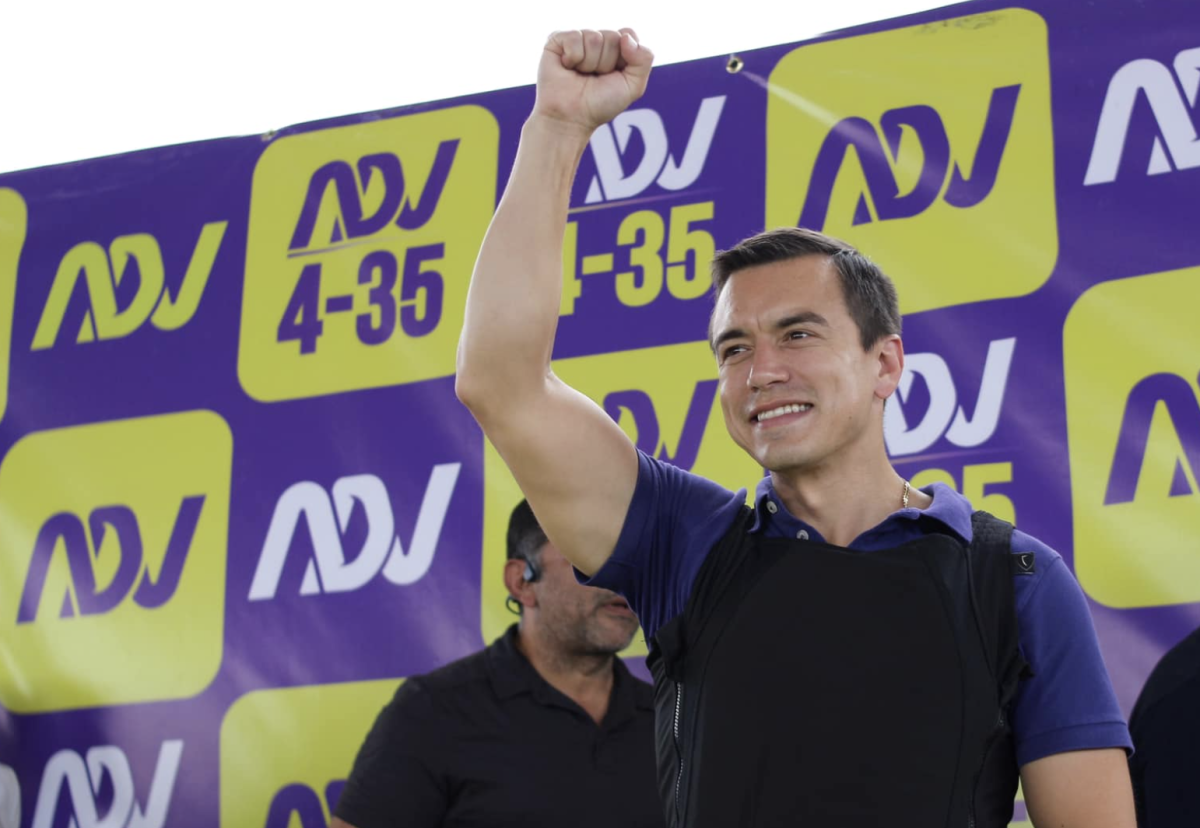
On Friday, the Constitutional Court cleared the way for Ecuador’s President Daniel Noboa to hold a referendum on 16 November, giving citizens the chance to vote on whether to allow casinos in five-star hotels, holiday resorts and municipalities.
The ruling marks a political boost for Noboa, who pledged to bring back casinos closed under former President Rafael Correa’s nationwide ban in 2011. He argues that reopening the sector will create jobs, attract foreign tourists and deliver much-needed tax revenues.
Under the proposal, operators would pay a 25% sales tax, with proceeds earmarked for social programmes and security initiatives. Noboa has described himself as “a moderate on gambling”, stressing that the measure is aimed at controlled, tourism-led growth rather than a full liberalisation of the market.
The hospitality industry has welcomed the move, saying it will help Ecuador regain competitiveness against neighbours such as Colombia, Peru and Panama, where casinos remain a feature of the tourism offer. Opponents warn, however, that the policy risks fuelling problem gambling, money laundering and further regulatory challenges at a time of economic and security strain.
The referendum will form part of a broader package of seven reform questions covering issues from political financing to labour laws. Yet the casino proposal stands out as the most commercially significant, attracting interest from both domestic investors and international operators.
Even so, a “yes” vote would not automatically reopen casinos. Ecuadorian referendums are not binding, meaning any approval must still be ratified by government and legislators before operators can set up business. That gap between political momentum and enforceable law could ultimately decide the industry’s fate.
For Noboa, November’s ballot is both an economic test and a political one: whether he can unite public support with investor appetite as Ecuador weighs re-entering the regional gambling market amid wider reforms across Latin America.
Indigenous unrest threatens Noboa reforms
Breaking news this morning in Ecuador reported that a peace convoy led by the President Noboa, carrying UN and EU diplomats was ambushed in the Cotacachi, Imbabura province.
A reported 17 soldiers were taken hostage after attackers targeted the convoy with Molotov cocktails. The strike, led by the country’s largest indigenous rights group protesting Noboa and Ecuador’s armed forces over fuel subsidies and aid cuts.
The frailty of Ecuador’s political climate is heightened by the raising escalation of armed conflicts in the provinces. With Indigenous communities now in direct conflict with the state, Noboa and the ADN government may be forced to revise the schedule of its legislative agenda including the proposed casino referendum, as security and social unrest take precedence.


