

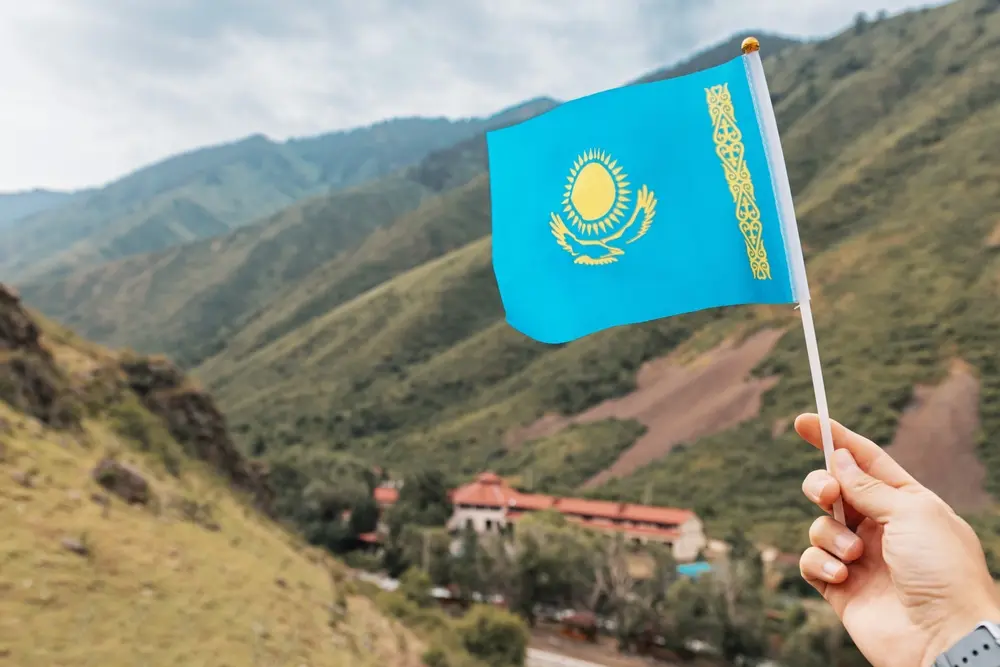
Authorities in Kazakhstan have found significant success in targeting payment pathways to curtail illegal online gambling.
According to data released by Blask, second-tier banks in the country rejected over 400,000 transactions to 110 blacklisted companies and payment providers totalling $20.8m (£15.6m) between October 2025 and March 2026.
Meanwhile, 11 financial institution employees have also been arrested on suspicion of facilitating operators circumventing restrictions.
These results signify a positive trajectory for Kazakhstan as the government continues to put a greater focus on black market activity in the country.
Alongside banks, the government has contacted the mobile operators Tele2, Beeline, Kcell and Activ to ensure payments are blocked in real time.
Meanwhile, geoblocking has also taken place to further clamp down on unlicensed operators targeting citizens in Kazakhstan.
Online casinos are explicitly prohibited in Kazakhstan. Meanwhile, online sports betting is only available through a small number of bookmakers.
Targeting the infrastructure around the black market is a strategy that is becoming increasingly popular among regulators and law enforcement authorities around the world.
Last month, Ella Seijsener, Director of Licensing and Supervision of Kansspelautoriteit, revealed that the Dutch regulator is seeking to move beyond fines, which have proved largely ineffective, to fight a black market that continues to surge while the country’s regulated market stagnates.
Speaking at the Gaming in Holland event, she stated: “We intend to break down the infrastructure around illegal providers, make it impossible for them to operate in our Dutch markets.
“We are open about the fact that fines are almost impossible to collect and thus are almost never paid. What is more effective is our comprehensive approach by working with hosting providers, banks, payment service providers and marketing companies.”
Economic boost from land-based reforms
Though authorities in Kazakhstan are looking to get a grip on the online market, they are taking a different approach to land-based gaming.
Local reports in May suggested that lawmakers are looking to boost the economy by expanding the number of gambling zones.
Largely focused on tourism-centric areas, the new zones are in four areas: Mangistau on the Caspian Sea coast; Panfilov district and Lake Alakol in Zhetysu; Talgar district in Almaty region; and the Markakol area plus Zaisan district in East Kazakhstan.
It is also reported that alongside a myriad of social responsibility measures, the new zones will not be open to domestic residents, as the government continues to shield its citizens from the regulated gambling sector.


