

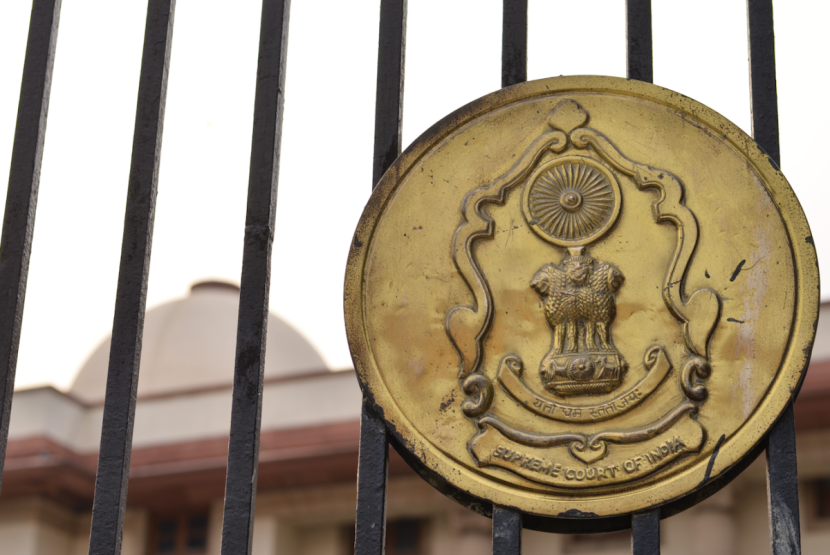
The Supreme Court of India has upheld constitutional rights for states of the union to govern gaming activities on individual terms.
The judgment comes as the federal government implements the first phase of the Promotion and Regulation of Online Gaming Rules (PROGA) 2026, authorised on 1 May 2026.
Due to PROGA’s adoption, the governments of Tamil Nadu and Karnataka had asked the Supreme Court to provide clarity on whether the new federal framework superseded individual states’ autonomy to set and control gaming laws.
The states urged transparency on interpretations of PROGA relating to gaming categories such as rummy, poker and other skill-based games, arguing that state authorities should retain the power to intervene where gaming activities are deemed detrimental to public welfare.
In its ruling, the Supreme Court determined that states continue to hold legislative authority to regulate, restrict or prohibit online gaming activities where measures are enacted in the interests of public order and consumer protection.
The court allowed appeals brought by Tamil Nadu and Karnataka against earlier judgments of the Madras High Court and Karnataka High Court, which had struck down state laws on the basis that online gaming regulation fell outside state jurisdiction.
A bench comprising Justices J.B. Pardiwala and R. Mahadevan concluded that the challenged legislation was constitutionally valid, noting that the measures sought to prevent the exploitation of young people and protect consumers from financial harm associated with gambling and wagering activities.
The ruling restores key provisions of the Tamil Nadu Gaming and Police Laws (Amendment) Act, 2021, alongside amendments introduced to the Karnataka Police Act, 1963, which were designed to tackle online betting, virtual gambling houses and unregulated gaming platforms.
The judgment is expected to have significant implications for India’s online gaming sector, reinforcing the ability of individual states to pursue their own regulatory approaches despite the introduction of the national PROGA framework.
India’s summer of PROGA Judgements
A series of Supreme Court judgments have accompanied the enforcement of PROGA. At the close of May, Indian justices upheld a determination by the Department of Revenues to apply retrospective taxes on real money gaming (RMG) platforms, apps and games developers.
India’s tax authority was deemed to have a “constitutionally validity” to apply its 28% Good and Services Tax (GST) on RMG platforms regardless of their regulatory status.
Operators had argued the rules could not be retrospectively applied before 1 October 2023, warning that such treatment would undermine commercial viability – an appeal turned down by the Supreme Court, which stated the distinction between games of skill and gambling becomes legally irrelevant once real money enters the equation.
Industry stakeholders are now expected to closely monitor whether additional states introduce tighter controls on skill-gaming and wagering products, creating a more fragmented regulatory environment across India’s rapidly growing online gaming market.


