

Kenya’s gambling sector finds itself at a pivotal crossroads as taxation increases and advertising spend subsequently dwindles.
It comes as a conscious effort from policymakers to tighten advertising rules in Kenya have led to operators being squeezed in terms of profitability, with marketing spend being the first casualty.
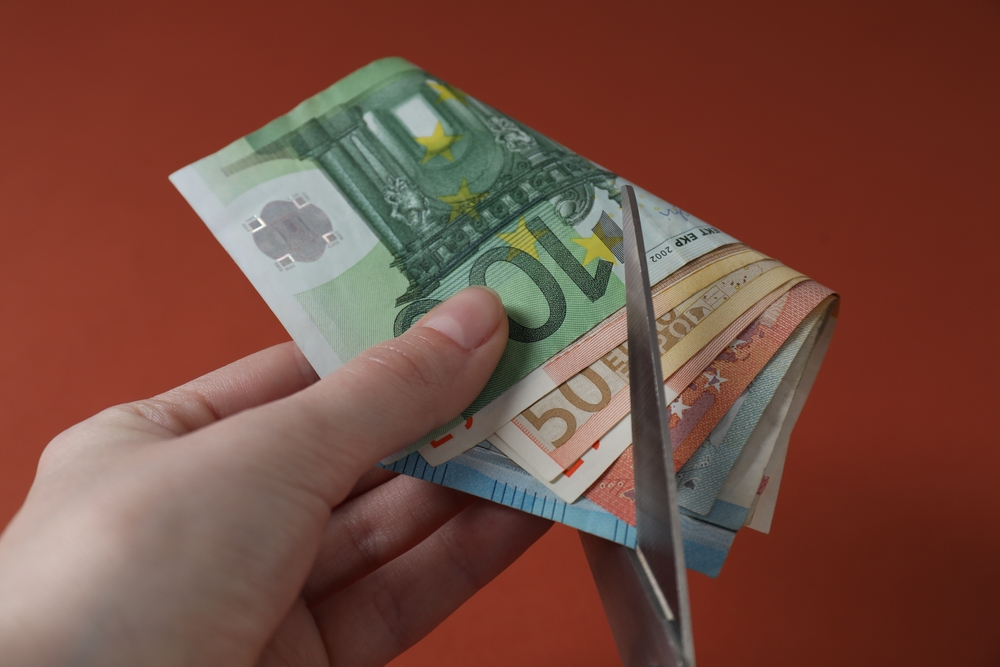
Betting and Gaming operators spent just Sh 131m (£742,023) on advertising in the first quarter of the 2025/26 financial year, a near 95% drop in spending compared to the Sh 2.5bn spent in Q1 FY24/25, and 89% down on the Sh 1.2bn (£6.8m) spent in the previous quarter.
Such drastic changes have followed an overhaul in the rules surrounding the advertising of gambling in reaction to the surging popularity of the industry in the East African nation.
In June, Kenya’s Betting Control and Licensing Board (BCLB) unveiled a raft of changes, which were headlined by a prohibition of using celebrities, influencers and content creators to endorse or promote gambling.
Operators are now required to display a responsible gambling message and a warning that players must be aged over 18. All proposed adverts must also be approved by the BCLC before publication and classified by the Kenya Film Classification Board (KFCB).
According to the figures released by the Communications Authority of Kenya, the rules had an almost immediate impact.
Between July and September 2025, gambling firms spent Sh 80m on TV advertising, down from Sh 1.8bn in the same period in 2024, while radio advertising also fell significantly year-over-year to Sh 51m (Q1 FY24/25: Sh 629m). Operators also recorded no spending on print advertisements.
Kenya stands out within Africa as a nation experiencing significant engagement with the betting industry. A poll released before the advertising overhaul revealed that 82.21% of respondents from Kenya had engaged with gambling products previously.
However, such popularity also required greater regulation, and the country’s President, William Ruto, recently reiterated his hardline stance for tackling the gambling industry alongside drugs and alcohol.
In a speech made in the Moiben Constituency of Kenya in January, Ruto promised that, in light of the financial and social impacts of gambling, the government is drafting new regulations to oversee the gambling industry.
“We are creating regulations for gambling because many people are depressed. Five million people are a very large number. It cannot be allowed to continue everywhere. We cannot continue like that as a nation,” he said.
While Ruto’s gambling stance focused on greater oversight, he also promised greater punishments for illegal drug and alcohol sales, including the death penalty for those caught selling the former.
Time for transition
2026 marks a year of transition for the Kenyan gaming market as the implementation of the Gambling Control Act, 2025 continues to advance.
The new regulation replaced the previous Betting, Lotteries and Gaming Act from the 1960’s, and seeks to modernise Kenya’s gambling sector through more stringent compliance requirements, greater consumer protection and unified regulatory oversight.
As part of the overhaul, the BCLB is being replaced by a new regulatory body, the Gambling Regulatory Authority of Kenya (GRA), which is expected to take the helm by the end of February 2026.
Licensees in Kenya are now required to ensure that 30% of any applicant’s shares are held by Kenyan citizens, and applicants must also maintain a bank account in a Kenyan licensed financial institution into which all gambling proceeds are paid.
Specific requirements have also been laid out for online gaming operators.
Key obligations include identity verification during player registration, integration with the GRA’s real-time monitoring system to enable oversight of online transactions and compliance with Kenya’s Data Protection Act, anti-money laundering laws and cybersecurity requirements.
Foreign operators will be prohibited unless they are registered locally and meet Kenya’s regulatory requirements.
Will tax changes pay off?
Alongside new regulations, Kenya’s National Parliament has also overhauled the country’s gambling tax framework, implementing a 5% tax on players when they withdraw money from their betting account. Previously, bettors were subject to a 20% withholding tax on winnings that excluded the initial stake.
Kenya’s Parliamentary Budget Office estimates that the change is expected to increase revenue collection from Ksh 5.4bn (£32.9m) to Ksh 11.4bn (£69.54 m).
Alongside a 5% tax on withdrawals, the same rate is also applied to any deposits made from a player’s mobile wallet to their betting account following a change in excise duty. Previously, a 15% excise duty was applied at the point of wagering; however, this was changed in June in a bid to improve tax enforcement.
At the time of the announcement, MP Kimani Kuria, Chairman of the Finance Committee, stated: “We are changing to make excise duty payable when you transfer money from your mobile wallet to the betting company wallet.
“There are so many entities operating virtually, some outside the country, from which we are not able to get the excise duty from them. This now means that every time a Kenyan transfers money from their mobile wallet to the wallet of the betting company, then that’s the time the excise duty is paid.”


